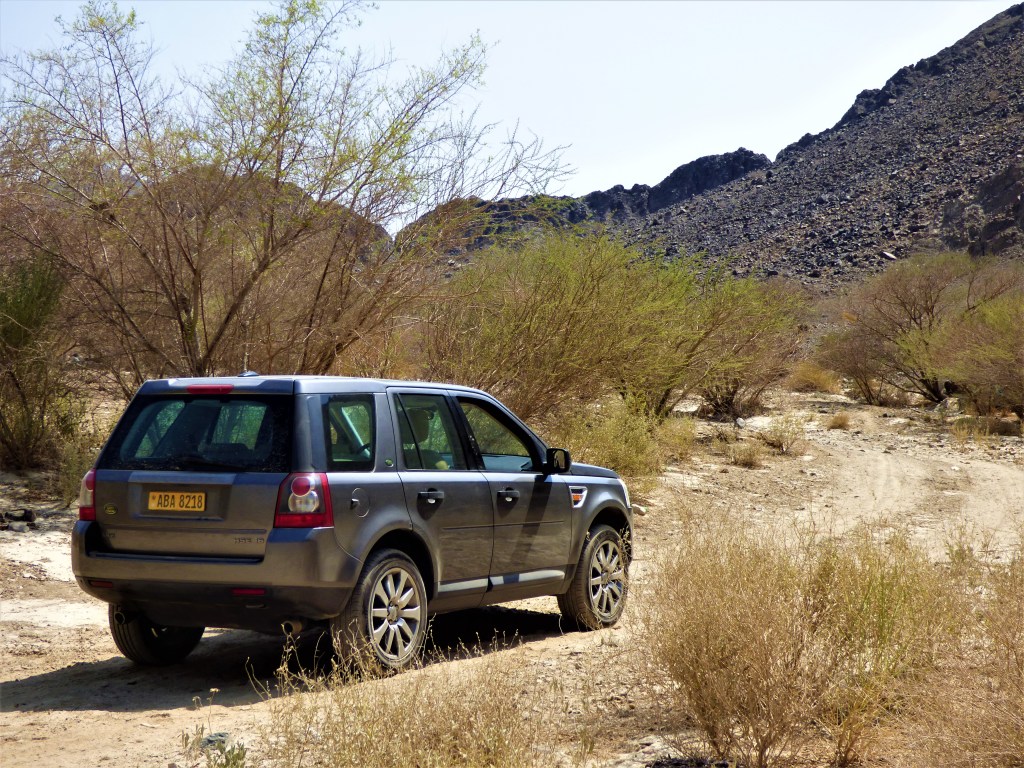
Recently I’ve just come back from a long trip through central and eastern Zimbabwe in my Series One 107″ and also a Freelander 2, and, given that folk are now starting to plan overland travel abroad again, I thought it worth passing on some pointers for first-time car travel in African countries.
Police roadblocks are not uncommon in many developing countries. Officers are often bored, tired and hungry, and have been on duty for long periods of time. As a foreigner you might well be an interesting diversion for them. Have your paperwork close at hand and, if possible, be ready to give a copy of a document instead of the real one, or have multiple printouts of important paperwork in case a copy vanishes at such a checkpoint. Depending on the country, you may well get waved through most of them, although it’s not unusual to be seen as a cash-production opportunity by cops who are paid very little. This has happened to me several times over the years in Kenya and Tanzania. You may be able to talk your way out of it, you may not. Don’t get annoyed – the police hold the upper hand. Just smile and bear it. If you can divert the cop’s attention and direct the topic of conversation – their new type of patrol car, the weather, other circumstances – you have a better chance of avoiding any entanglements. Strategic gifts of pens or similar kit will win friends.
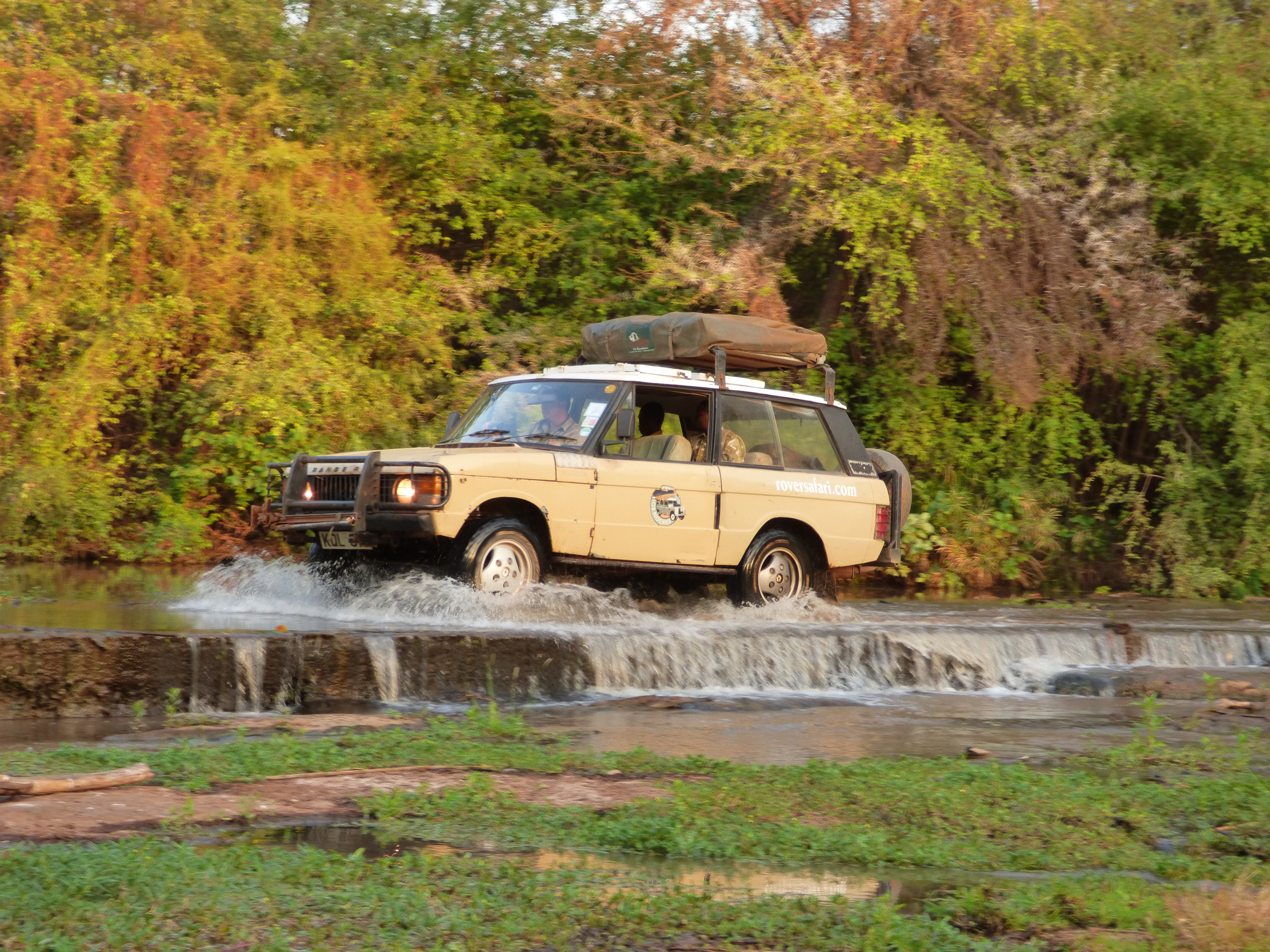
Livestock and wildlife on the road can be a big deal. When driving on main roads it’s easy to assume there will be no hazards, as you would for most of the time in your home country – but when the main road travels through unfenced bush country, you can bet that there’s a significant chance that big hairy things might be in your path. This is especially true at night. When I was in Zimbabwe the other week, a large cow seemed to instantly materialise at the immediate edge of the road, seemingly from nowhere, and just at the edge of the cone of light from my headlamps. I was travelling at about 60mph, and it was alarming. Similarly in Kenya I’ve been travelling at night along a dirt track and a family of elephants has wandered across in front of me. The fact that I was in a badly-maintained 42 year old Range Rover whose headlights had failed, and I was driving using a Lenser LED headtorch strapped to the bullbar for illumination, only added to the experience.

Night driving in developing countries is something you should avoid, if possible. We’ve mentioned wildlife on the road, and pedestrians or donkey-carts can also cause trouble, but other road users of the motorised variety can also be hazards. Lights are not always used – and a favourite ploy of truck drivers on long desert highways throughout North Africa is to travel without lights until they see another vehicle in front of them – and then to whack on full beams. The effect of this is that you have no idea they are there, until you are dazzled by their undipped lights seemingly from an empty road. It’s a bit tedious after a while. Truck drivers on long-haul routes are sometimes known to drive under the influence of stimulants – before the current civil war in Sinai it was not uncommon for truck drivers in the area to use methamphetamine as a stimulant to stay awake for very long periods, and the consequent lethal accidents with forty-ton eighteen-wheelers were a feature of the region.
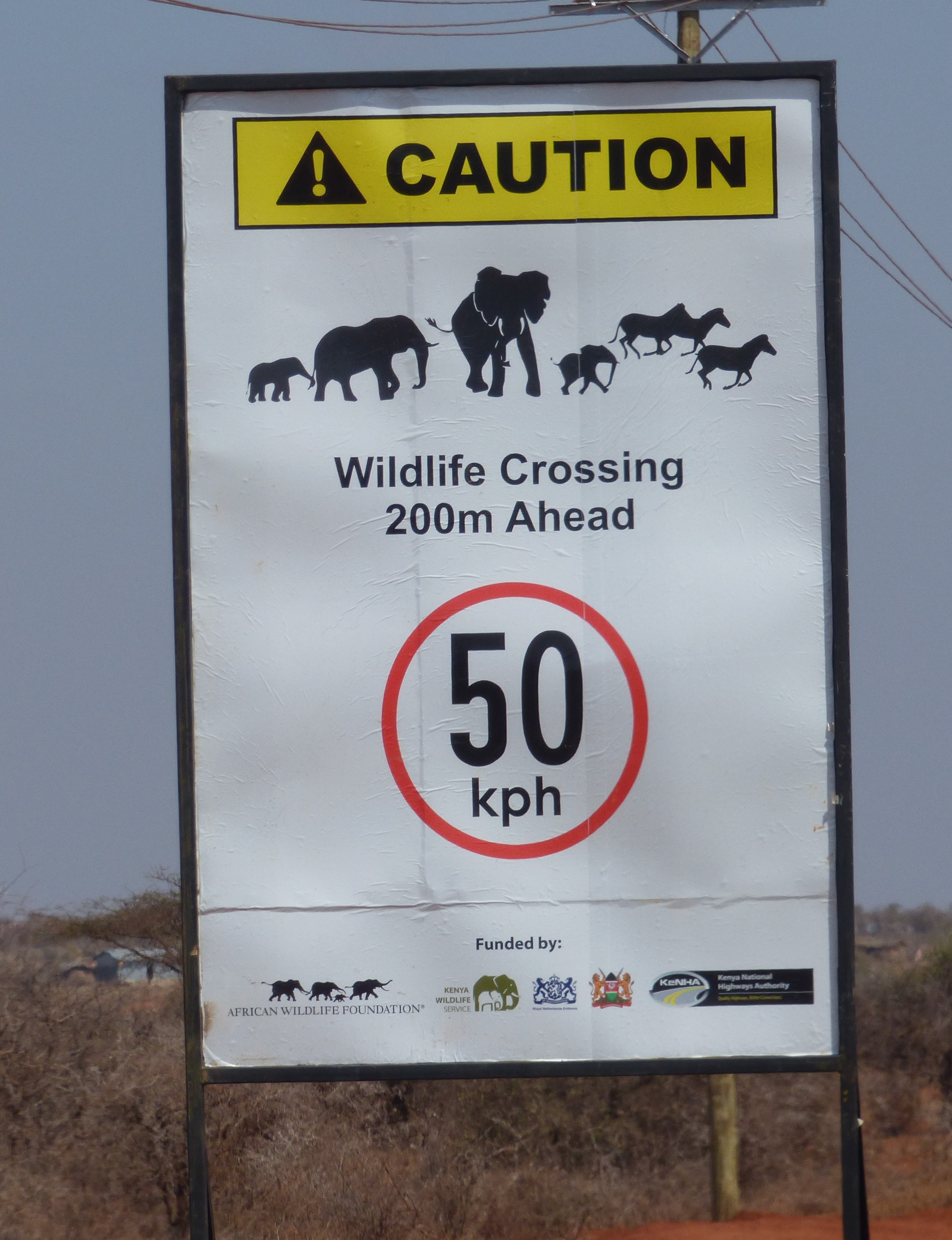
If lights are used by other drivers, don’t assume they are used in the same way as your home country. Indicators are seldom a feature. Reverse lights can be wired up as brake lights, and vice versa. Flashing hazard lights can mean virtually anything, but often mean “I am going to do something really stupid”. Brits in Cairo joke that it’s assumed to be Stealth Mode – hitting the hazard lights apparently renders the vehicle invisible, and consequently the driver can perform whatever idiocy they want. Depending on the local habits, flashing headlights at you on a junction might mean “after you” or it might mean “get out of my way”. There’s seldom a universal rule!
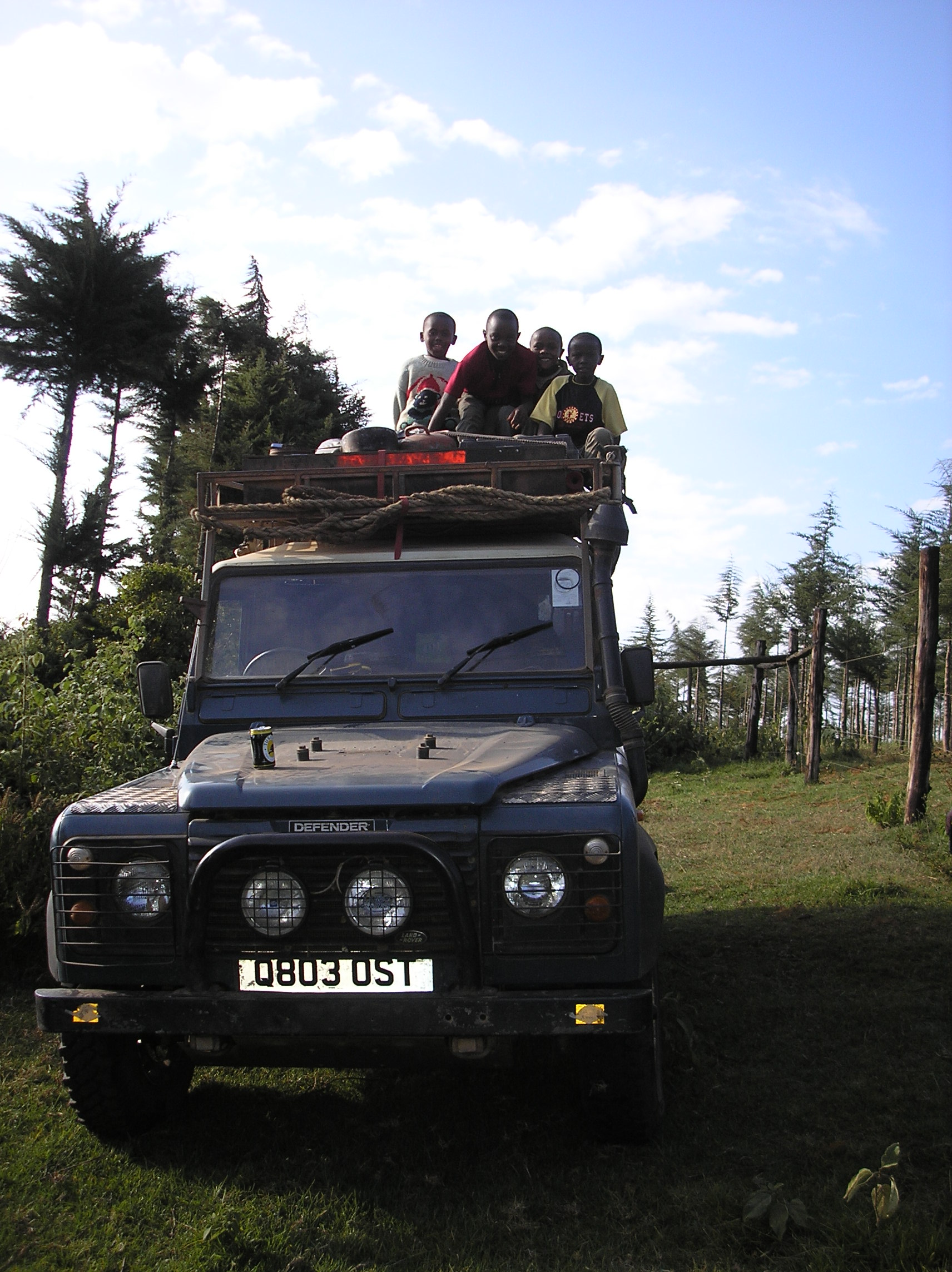
Speed cameras are an increasing feature of African and Middle Eastern travel. It’s a fast-growing trend in Morocco, where cops hide in ambush on well-known stretches of road and nobble speeders or those who overtake where such is not permitted. I got caught three times by this tactic last time I was there. Some countries leave portable speed cameras around the place, and you can often spot them because there is sometimes an unmarked police car parked nearby, ensuring nobody steals the cameras (or, as in Oman recently, to prevent a well-meaning local picking up the camera and returning it to the police station – “You forgot this, and left it behind”).
Driving standards can vary massively. You develop a much more defensive style in response, with a huge awareness of what’s happening in your mirrors and blind spots. You will probably see some hair-raising situations. One thing’s for sure – you’ll be very glad you’re in a big 4×4.
 Sam Watson
Leave a comment